
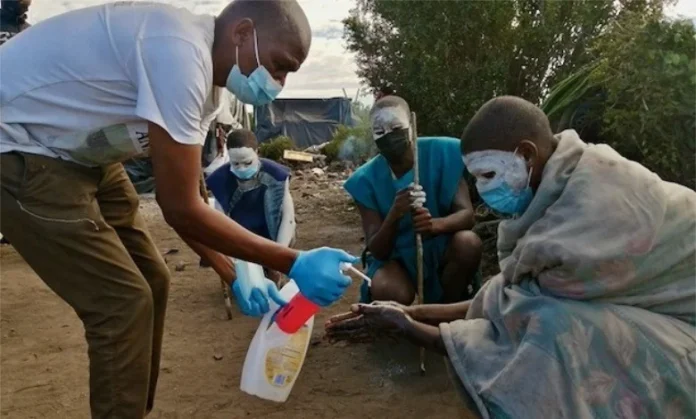
POLOKWANE – The Limpopo Department of Cooperative Governance, Human Settlements and Traditional Affairs has issued a stern warning to illegal initiation schools operating across the province, signalling an intensified crackdown on unregistered facilities that continue to endanger young lives. The move comes as authorities prepare for the upcoming initiation season, with officials vowing to shut down any institution operating without proper permits and registration.
MEC Basikopo Makamu announced the provincial government’s uncompromising stance during a recent briefing, emphasizing that the days of turning a blind eye to illegal initiation schools are over. The warning represents a significant escalation in efforts to regulate traditional circumcision practices that have claimed numerous lives across South Africa in recent years.
The Scope of Illegal Operations in Limpopo
Across Limpopo province, dozens of illegal initiation schools continue to operate in remote areas, far from regulatory oversight and medical assistance. These unregistered facilities pose severe health risks to initiates, with untrained practitioners performing circumcisions in unhygienic conditions without access to emergency medical care.
According to provincial health authorities, illegal initiation schools account for the majority of serious complications and fatalities during initiation seasons. The clandestine nature of these operations means that parents and guardians often remain unaware of the dangerous conditions their children face until tragedy strikes.
The MEC’s office has identified several key problems with illegal initiation schools:
- Unqualified practitioners performing medical procedures without proper training or sterilized equipment
- Inadequate shelter and sanitation facilities exposing initiates to infections and disease
- Lack of emergency medical protocols and proximity to healthcare facilities
- Absence of proper nutrition and healthcare monitoring during the healing process
- Operating in secret locations that prevent regulatory inspection and oversight
- Failure to obtain parental consent or verify the age and health status of initiates
Traditional leadership structures have expressed mixed reactions to the crackdown, with some supporting government regulation while others view it as interference in cultural practices. However, health data consistently demonstrates that registered, regulated initiation schools experience significantly lower complication rates.
Legislative Framework and Registration Requirements
South Africa’s legal framework governing initiation schools has evolved considerably following numerous deaths and injuries over the past two decades. The Customary Initiation Act of 2021 provides comprehensive guidelines for the operation of initiation schools across the country, establishing minimum standards for safety and healthcare.
In Limpopo, the registration process for initiation schools requires operators to meet specific criteria before receiving authorization:
| Requirement Category | Specific Criteria | Enforcement Body |
|---|---|---|
| Medical Personnel | Qualified medical practitioners must be accessible within 30 minutes | Department of Health |
| Facility Standards | Adequate shelter, clean water, sanitation facilities | Traditional Affairs Department |
| Practitioner Credentials | Certified traditional surgeons with hygiene training | Traditional Leadership Council |
| Initiate Screening | Medical examination and parental consent for all participants | Department of Health |
| Location Approval | Inspected and approved site with emergency vehicle access | Local Municipality |
MEC Makamu emphasized that the registration process exists not to undermine tradition but to protect young lives. “We respect and honour our cultural practices, but we cannot allow our children to die needlessly when proper regulation can prevent these tragedies,” he stated during the briefing.
The provincial government has established dedicated offices to assist legitimate initiation school operators with the registration process, providing guidance on meeting regulatory requirements while preserving cultural authenticity. Despite these support mechanisms, numerous operators continue to circumvent the system, operating without oversight or accountability.
Health Crisis: Deaths and Complications
The human cost of illegal initiation schools has been devastating for Limpopo communities. While exact figures remain difficult to verify due to the secretive nature of some operations, provincial health authorities have documented alarming trends in initiation-related injuries and deaths.
During the 2023 winter initiation season, Limpopo recorded at least 12 deaths directly attributed to botched circumcisions, infections, and dehydration at illegal facilities. National figures were even more sobering, with the Eastern Cape province experiencing particularly high fatality rates.
Medical professionals treating initiation-related complications report consistent patterns of negligence at illegal facilities:
- Severe infections resulting from unsterilized cutting instruments
- Excessive bleeding due to improper surgical technique
- Dehydration and malnutrition from inadequate food and water provision
- Gangrene requiring penile amputation in extreme cases
- Sepsis and organ failure from untreated infections
- Pneumonia and respiratory infections from exposure to harsh weather conditions
Dr. Thabo Mohlala, a surgeon at Polokwane Provincial Hospital, described the heartbreaking reality of treating young men who arrive too late for medical intervention. “We receive patients whose infections have progressed so far that amputation becomes the only option to save their lives. These are preventable tragedies that destroy futures and devastate families,” he explained.
The psychological trauma extends beyond physical injuries. Survivors of complications at illegal initiation schools often experience depression, anxiety, and social stigmatization, particularly when disfigurement occurs. Mental health support remains inadequate in many rural communities where these schools predominantly operate.
Enforcement Challenges and Community Resistance
Despite clear legislative frameworks and regulatory mechanisms, enforcing compliance among illegal initiation schools presents significant challenges for Limpopo authorities. The remote locations of many facilities, combined with community protection and cultural sensitivities, create obstacles for government inspectors and law enforcement.
Traditional leaders occupy a complex position in this enforcement landscape. While senior traditional councils generally support regulation to prevent deaths, local-level traditional authorities sometimes protect illegal operators who claim to preserve “authentic” cultural practices untainted by government interference.
MEC Makamu acknowledged these challenges but insisted that enforcement would proceed regardless of resistance. “We will work with cooperative traditional leaders, but we will not negotiate on the safety of our children. Illegal operators will face the full might of the law,” he declared.
The provincial government has established multi-disciplinary enforcement teams comprising:
- Traditional affairs officials to engage with cultural sensitivities
- Law enforcement personnel to ensure compliance and investigate violations
- Health inspectors to assess medical and sanitary conditions
- Social workers to ensure child protection protocols are followed
- Legal advisors to prosecute operators who violate regulations
These teams will conduct unannounced inspections throughout the initiation season, with powers to immediately shut down facilities that fail to meet minimum standards. Parents who knowingly send their children to illegal schools may also face legal consequences under child protection legislation.
Community education campaigns are running concurrently with enforcement efforts. The Department has deployed mobile information units to rural areas, explaining the registration process and highlighting the risks of illegal facilities. These initiatives aim to reduce demand for unregistered schools by empowering parents with information to make safer choices.
Balancing Tradition with Safety
The tension between preserving cultural heritage and ensuring participant safety lies at the heart of the illegal initiation schools debate. Critics of government regulation argue that excessive bureaucracy threatens to dilute traditional practices that have existed for centuries, imposing Western medical paradigms on African cultural institutions.
Proponents of regulation, including many progressive traditional leaders, counter that tradition must evolve to incorporate modern medical knowledge that can save lives. “Our ancestors did not have access to the medical understanding we possess today. Honouring tradition means adapting practices to protect our children while maintaining cultural significance,” explained Kgosi Malesela Dikgale, a senior traditional leader who actively supports initiation school regulation.
Successful models of regulated initiation schools demonstrate that cultural authenticity and safety can coexist. Several registered facilities in Limpopo have maintained traditional rituals and teachings while implementing modern hygiene protocols, medical screening, and emergency response capabilities. These schools report high satisfaction among initiates and families, with minimal health complications.
The debate mirrors similar discussions across Africa, where governments grapple with regulating traditional practices that carry health risks. Female genital mutilation, traditional healing methods, and various initiation practices face increasing scrutiny as human rights frameworks emphasize individual safety over cultural preservation arguments.
For many South African families, particularly in rural areas, male circumcision through traditional initiation represents a fundamental rite of passage that confirms cultural identity and community belonging. The challenge for policymakers involves creating regulatory environments that honour this cultural significance while eliminating preventable deaths and injuries.
The Path Forward for Limpopo
As the upcoming initiation season approaches, Limpopo authorities are implementing comprehensive strategies to reduce illegal operations and protect young participants. The provincial government has allocated additional resources for enforcement, community education, and support for legitimate operators seeking registration.
MEC Makamu outlined specific targets for the 2024 initiation season, including reducing fatalities by at least 50% compared to previous years, registering all operating facilities, and prosecuting illegal operators who endanger lives. These ambitious goals require cooperation from traditional leaders, communities, and law enforcement.
The Department has established a dedicated hotline for reporting illegal initiation schools, encouraging community members to provide information anonymously. Whistleblower protections aim to overcome the intimidation that sometimes prevents reporting of dangerous facilities.
Looking beyond immediate enforcement, provincial authorities recognize that sustainable solutions require addressing the underlying factors that enable illegal initiation schools. Poverty, limited access to healthcare, inadequate education about health risks, and weak traditional governance structures all contribute to the problem.
Long-term interventions include:
- Training and certification programs for traditional surgeons in modern hygiene and emergency response
- Financial assistance for operators seeking to upgrade facilities to meet regulatory standards
- Strengthening traditional leadership capacity to self-regulate initiation practices
- Expanding healthcare access in rural areas where initiation schools typically operate
- Curriculum development integrating cultural education with health and safety awareness
Other provinces are watching Limpopo’s crackdown closely, as illegal initiation schools remain a national challenge. The Eastern Cape, in particular, has struggled with high death tolls during initiation seasons, prompting calls for more aggressive enforcement similar to Limpopo’s approach.
For additional coverage of governance and traditional affairs issues in South Africa, visit NeoScribe’s South African News section.
The success of Limpopo’s initiative will ultimately depend on sustained political will, adequate resourcing, and genuine partnership with traditional structures that share the goal of protecting young lives while preserving cultural heritage. As MEC Makamu emphasized, the cost of failure is measured in young lives unnecessarily lost and families permanently devastated by preventable tragedies.
The warning to illegal initiation schools represents more than regulatory enforcement—it signals a broader commitment to ensuring that South African cultural practices evolve to embrace both tradition and the fundamental human right to safety and health. For the thousands of young men preparing to undergo initiation in coming months, this evolution cannot come soon enough.
Image credit: SABC News / GroundUp, 6 July 2024

