
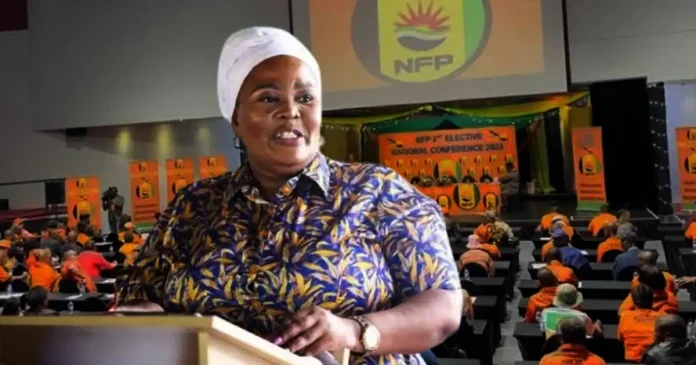
In a significant legal development for South African politics, Mbali Shinga has won an interdict preventing her removal from the legislature, raising critical questions about party disciplinary powers and due process. The ruling, delivered in Johannesburg, marks another flashpoint in South Africa’s ongoing political governance crisis.
The Interdict Victory
Mbali Shinga’s successful application for an interdict represents a watershed moment in how South African courts scrutinise legislative removals. The court found that her removal proceedings lacked sufficient procedural fairness, granting the interim relief that prevents immediate expulsion from parliament or her provincial legislature.
This Mbali Shinga interdict case signals growing judicial intervention in party-political matters that were traditionally considered internal affairs. The ruling suggests courts will increasingly demand that political parties follow constitutionally-compliant disciplinary procedures, regardless of their internal rules or urgency claims.
Key aspects of the decision include:
- Finding of procedural irregularities in removal proceedings
- Emphasis on constitutional protection of legislative membership
- Suspension of removal implementation pending full legal arguments
- Recognition of potential irreparable harm to Shinga’s career
Political Context and Party Discipline
The Mbali Shinga interdict emerges amid intense factional battles within South African political parties, where disciplinary actions have become weaponised in internal power struggles. Her case highlights the tension between party autonomy and individual constitutional rights—a debate increasingly reaching courtrooms across the country.
Political analysts suggest this ruling may embolden other legislators facing removal to challenge their parties’ disciplinary processes. It establishes precedent that legislative membership cannot be stripped away without meeting judicial scrutiny standards, even when parties cite serious misconduct allegations.
The decision also reflects broader frustration with how South African political parties handle internal governance, often appearing arbitrary or motivated by factional interests rather than genuine institutional discipline.
Implications for SA Legislative Governance
This Mbali Shinga interdict victory carries implications extending far beyond her individual case. It potentially reshapes how parliament and provincial legislatures manage membership changes and party removals. Several consequences appear likely:
- Political parties must demonstrate fairness in disciplinary procedures
- Courts will scrutinise removal grounds more closely
- Legislative stability may be affected by litigation over membership
- Due process requirements may slow party discipline mechanisms
For South African legislators, the ruling offers protection against arbitrary removal while simultaneously complicating parties’ ability to enforce discipline internally. This balance between individual rights and party coherence remains contentious in constitutional democracies globally.
Next Steps and Constitutional Questions
The Mbali Shinga interdict is interim relief, meaning full legal arguments remain pending. The substantive case will determine whether her removal can ultimately proceed or whether the grounds prove insufficient. Either outcome will influence future party-political disciplinary actions across South Africa’s legislatures.
Broader constitutional questions loom: Can political parties effectively discipline members when courts demand robust procedural fairness? Should legislative membership receive heightened constitutional protection? How should South Africa balance internal party governance with individual rights?
Legal experts anticipate this case may reach South Africa’s Constitutional Court, making it a defining judgment on political party conduct and legislative membership rights. The ruling already suggests a judicial willingness to intervene in traditionally party-political domains, marking a shift in how South African courts understand their role in political governance.
This Mbali Shinga interdict victory underscores deepening tensions within South Africa’s political system, where party discipline, factional warfare, and constitutional rights increasingly collide in courtrooms rather than internal party structures. As the substantive case proceeds, the ruling’s full implications for South African legislative governance will become clearer. Read more SA political analysis on our dedicated section.
Reuters and Al Jazeera provide ongoing coverage of South African political developments and constitutional matters affecting the legislature.

